
Local SEO blog
Why Iframe Menus Kill Dispensary SEO and What to Do Instead, Updated November 2026
Last updated
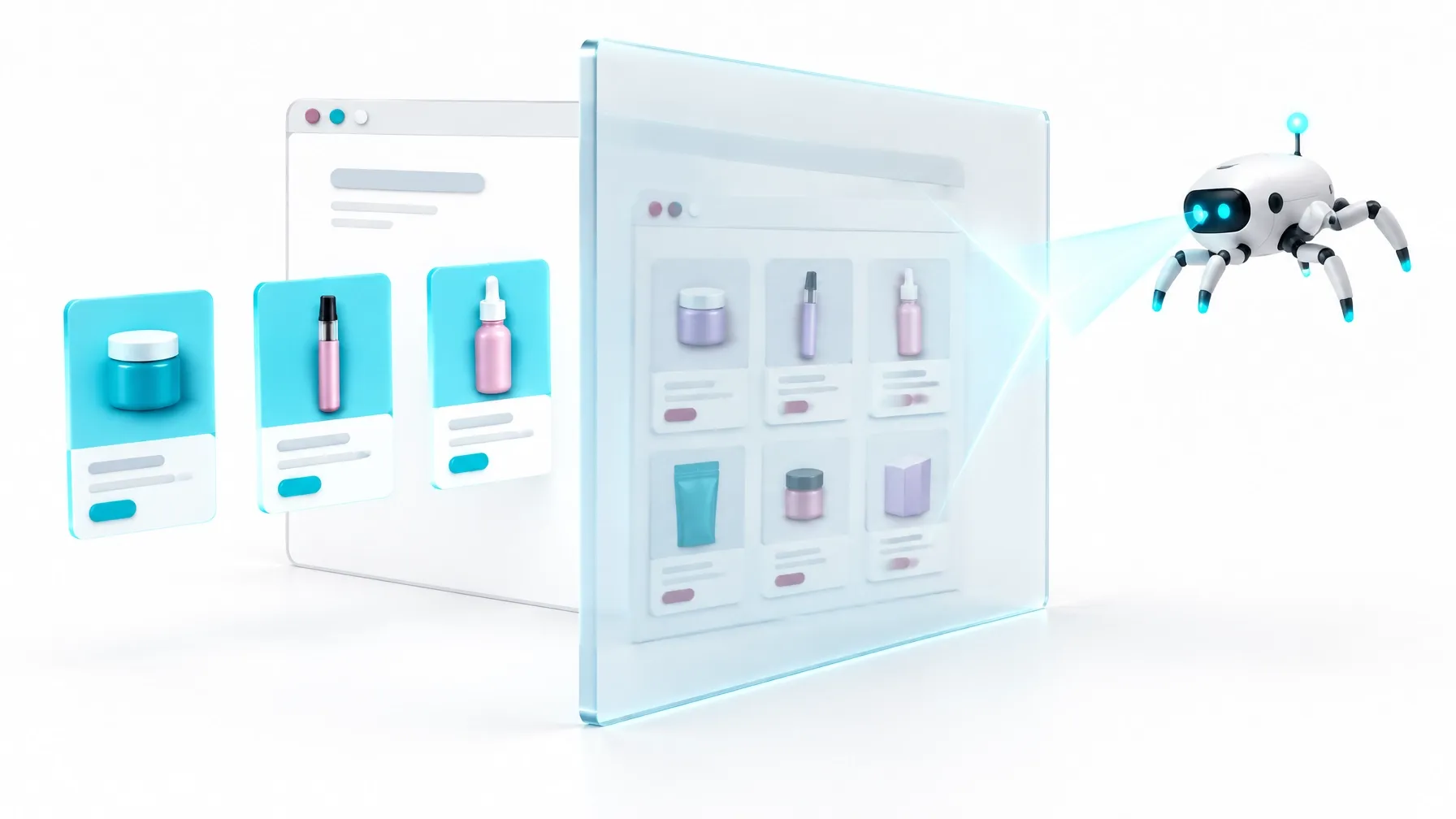
I have crawled a lot of dispensary websites since 2020. One technical problem shows up again and again, and most operators have no idea it exists. The menu on their site is an iframe, and Google cannot see any of it.
I first wrote about this in March 2026. Since then, AI search has made the problem bigger, so I am updating this post for November 2026 with a new section on answer engines.
If you run a dispensary and your menu came from a widget install, read this one closely. Your best products might be invisible to every search system that matters.
What an iframe menu actually is
Menu providers like Dutchie, Leafly, and Jane give you a snippet of code when you sign up. Paste it into your site, and your menu shows up on the page. Looks finished. Feels done.
Technically, that snippet is a window into another website. The products you see are not stored on your domain. They live on the provider’s server, and your page just displays them through that window.
To be clear, these providers are not the problem. They run solid platforms and the embed is a standard feature they offer. The issue is what the iframe approach does to your site in search.
Why Google cannot see your products
Google’s crawler reads your HTML. When it hits an iframe, it sees a reference pointing somewhere else. The content inside that window gets attributed to the provider’s domain, not yours.
Read that again. Your product descriptions, your strain names, your keywords, all of it counts for the provider’s site in the crawl. Your dispensary site gets none of it.
So a shop can have hundreds of products on display and zero indexable inventory pages. I have run crawls on dispensary sites where the menu page came back with almost nothing a search engine could use.
Think about what that costs you. Someone searches for a specific strain in their city, or hunts for a particular type of concentrate. Your shop carries it. Google has no idea, because the words never landed on your domain. For a broader picture of how all the pieces fit together, my guide on cannabis dispensary marketing covers the full stack.
The topical authority problem
Topical authority is the trust Google builds in your site as a source on a subject. You earn it with depth. Real pages, real text, real answers.
An iframe menu hands all of that away. No crawlable text means a thin content signal. Google looks at your site and sees a handful of pages with little substance, because the meat of the site, the inventory, sits in a container it cannot index.
You end up competing for dispensary-level terms with a site that reads like a brochure. Meanwhile the shop across town with native product pages keeps stacking up indexable content week after week.
The AI search problem, new for November 2026
Here is the part that made me update this post. ChatGPT, Perplexity, Google AI Overviews, and AI Mode all read your pages the same way Google does. An iframe is a wall for them too.
I run AI crawler and citation tracking for clients, and this gap shows up constantly. A dispensary with an iframe menu gives the answer engines nothing to quote about its own products. When someone asks ChatGPT where to find a specific product in their city, the model has no product data from your site to work with, so it names whoever actually has indexable pages.
Your inventory is already locked away from Google. AI search doubled the number of systems that cannot see it. That is the reason this post needed a second pass.

The zero-click problem
Zero-click searches happen when a searcher gets their answer right on the results page, in a snippet or a local map pack, and never clicks anything.
If your products are not indexed, you have no shot at those surfaces. No snippets. No product enrichment. No map pack details that show shoppers what you actually carry before they ever reach your site.
Local shoppers searching this way are ready to buy today. A site with an iframe menu is invisible at the exact moment it matters most. My post on how to rank your dispensary on Google Maps goes deeper on winning that local surface.
The fix is a native menu
A native menu is built into your site’s architecture. Every product gets its own unique URL on your domain, with real text a crawler can read.
That one change turns your inventory into a library of indexable pages. Here is what it gets you.
- Long-tail rankings. Specific brands, specific strains, specific consumption methods. People search for all of it, and my guide on how to find SEO terms for cannabis shows you how to dig those terms up. My CBD keyword research has the same idea behind it.
- Data you own. The full picture of what shoppers view and click lives in your own analytics.
- Faster pages. Iframes are heavy. They drag load times down, and speed is a ranking factor.
- A menu that matches your brand. The embed looks like the provider. A native build looks like you.
The iframe way costs you rankings every month it stays up. The native way is an investment that keeps paying after the build is done.
How to move off an iframe menu
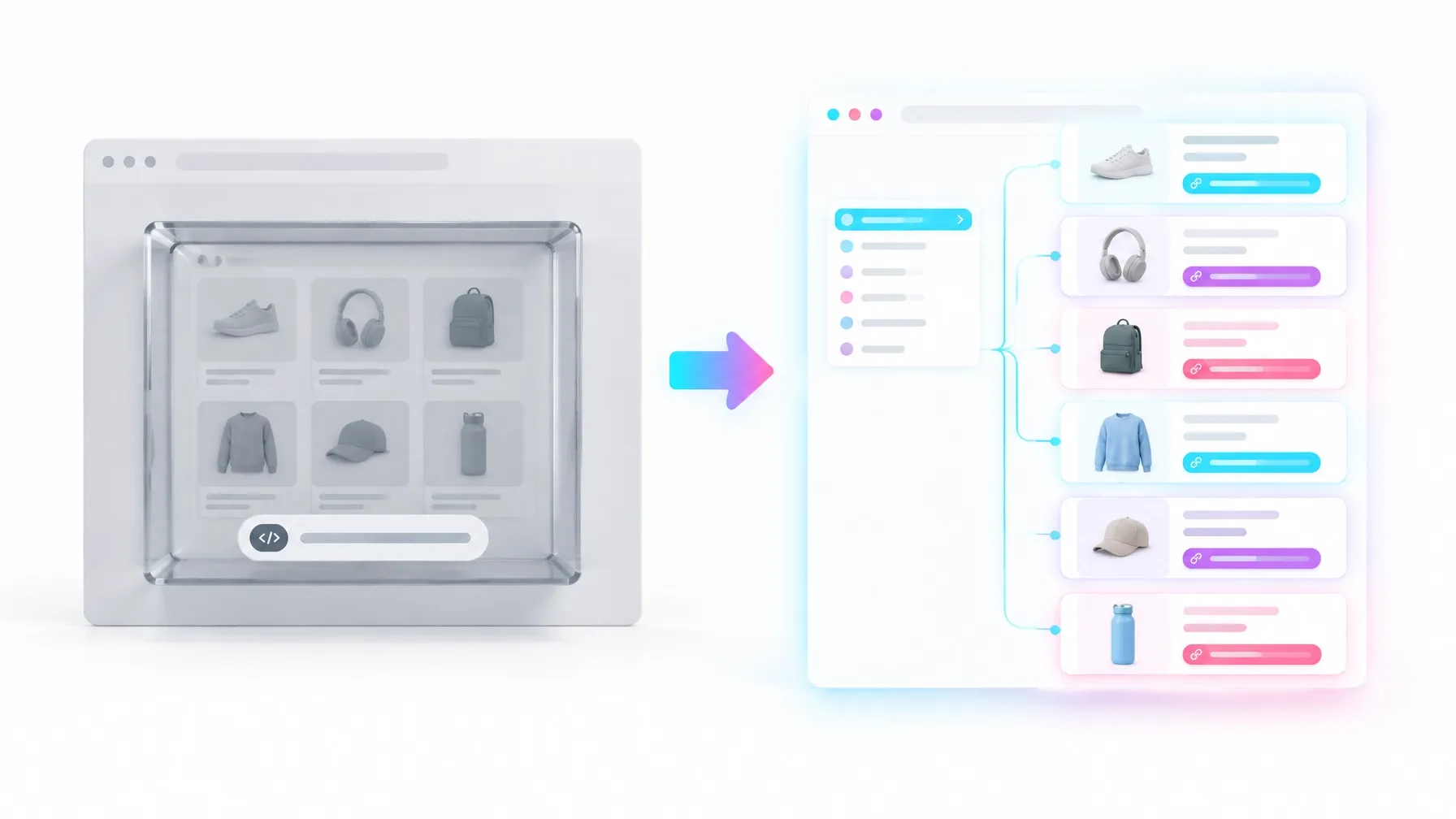
This is a real project, so plan it like one. Four steps.
Audit your current setup
Crawl your site with a tool like Screaming Frog or look at what Google has indexed in Search Console. Check what the crawler actually sees on your menu pages. Most operators in this situation find the pages come back nearly empty.
Pick a headless or API-based solution
Platforms in this category exist that pull your provider inventory into WordPress or Shopify through an API and render it as real pages on your domain. Dispense is one example of the type. Evaluate a few options against your platform and your state’s rules before committing.
Optimize every product page
Once products are native, write real meta titles and descriptions for each item, and add alt text to product images. Watch your claim language while you do it. My post on dispensary word bans and SEO covers the words that get shops in trouble.
Watch your Google Business Profile sync
Point your profile at the native product pages and keep the links in sync. That feeds the local surfaces where ready-to-buy shoppers look first.
Keep your expectations realistic
A menu migration takes planning. Map your old URLs, keep link equity with proper redirects, and expect the ranking gains to build over months. Nobody can honestly promise you a timeline, and I will not pretend otherwise.
I have watched this switch pay off across the sites I have worked on. Once the inventory becomes indexable, the long-tail traffic follows. It just does not happen overnight, and it does not happen without the redirects done right.
If you want a second set of eyes on your setup before you commit to anything, start with my free SEO audit. It will tell you exactly what the crawlers see on your site today.