
Local SEO blog
Zero-Click Searches Are the New Normal in 2026
October 15, 2026

Most US Google searches now end without a click, and AI answers are absorbing more informational queries every year. I plan for that reality by helping businesses become findable and citable, while still earning the visits that lead to real business.
SEO title: Zero-Click Searches 2026 How to Stay Relevant
Meta description: Zero-click searches now end without a visit for most US Google searches. Randi Bagley explains what still earns visibility in 2026, from AI citations to local search.
I have worked in SEO since 2013, learning through hands-on client work after I started while working as a tow truck dispatcher. I work on AI search visibility every day, and I see the same practical question come up: if the searcher gets an answer without visiting a site, how does a business stay in the conversation?
What the zero-click numbers actually say
SparkToro’s 2024 study of US Google searches found that 58.5% ended without a click. The research used Sessions jump-tagged click data from roughly 1,000 US adults. SparkToro described the result as a majority, up from about 50% in 2019.
That methodology matters. The figure describes the study’s sample and measurement approach, so I treat it as a useful benchmark rather than a universal rate for every industry, query, or device.
The trend has continued into the AI era. In its 2025 follow-up on zero-click behavior, SparkToro discussed how AI answers have taken on more informational queries. The broader point is clear: search results increasingly give people useful information before they reach a website.
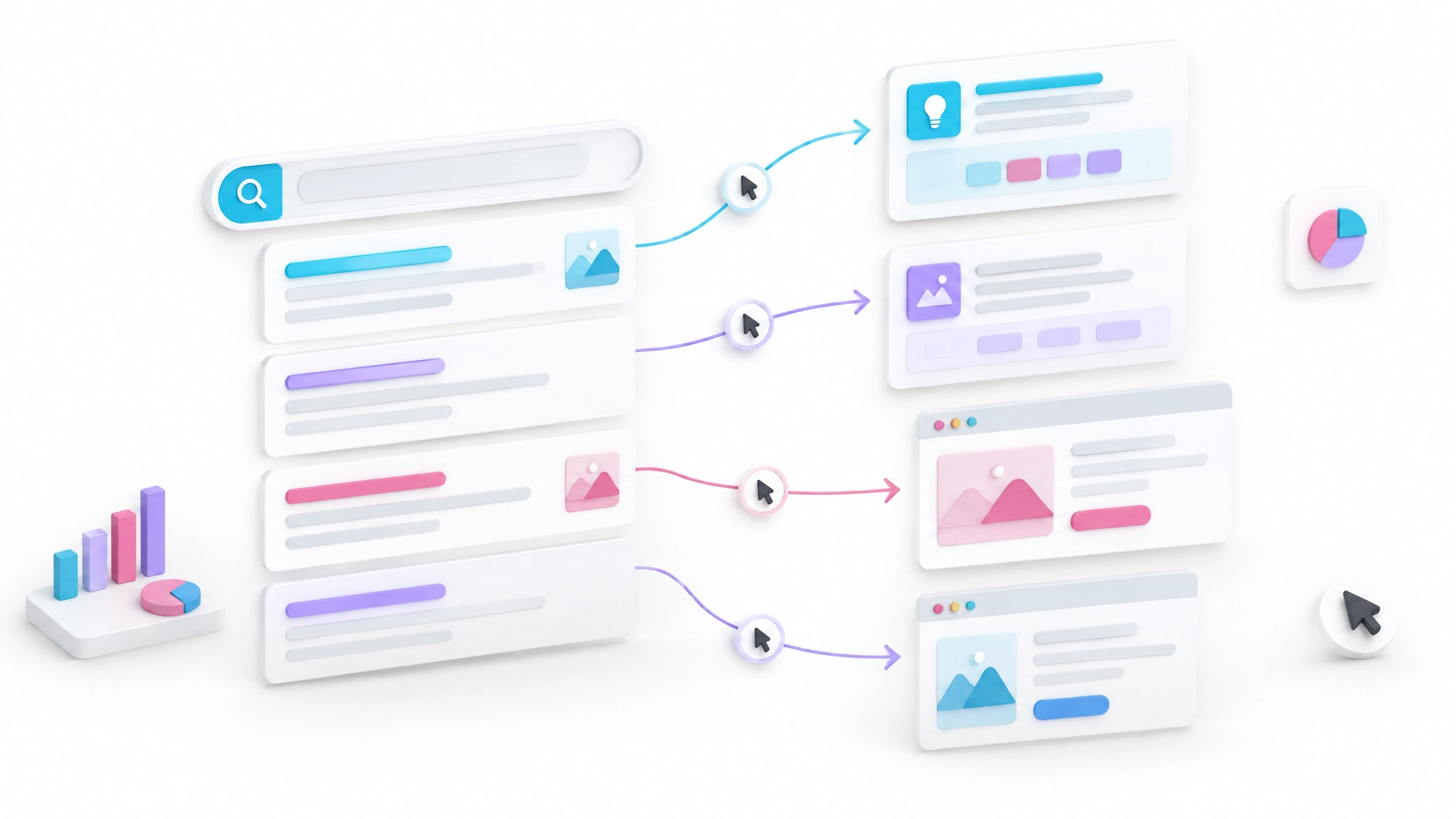
A zero-click search is not automatically a lost customer. Someone may get a quick fact from an answer panel, then search for a business by name, visit its location, or come back later. That path makes traffic reports harder to interpret, and it makes visibility in the answer itself more valuable.
Why the click stopped being the whole goal
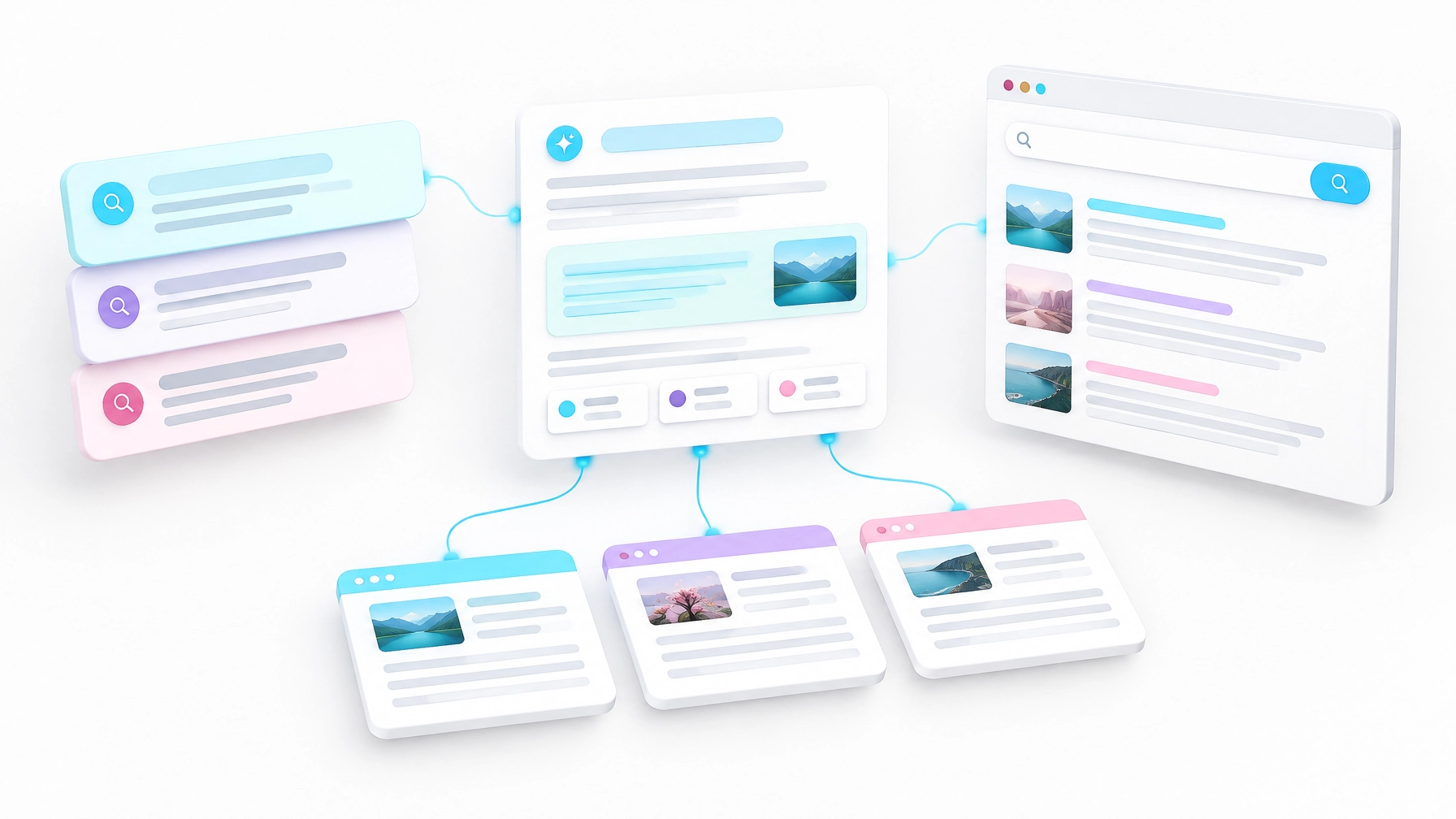
AI Overviews and AI Mode can summarize a topic and show links to supporting pages. ChatGPT and Perplexity also answer questions directly, often before someone decides which site to visit.
Google says its AI features can draw from multiple related searches, then show supporting links. Google’s guidance on AI features and websites says familiar SEO fundamentals still apply. For a page to appear as a supporting link in Google’s AI features, it must be indexed and eligible to appear with a snippet.
That gives businesses two connected goals: earn the visit when it makes sense, and become a source that search and AI systems can find, understand, and cite. I cover that combined approach in my guide to AI search optimization.
Organic rankings remain useful, but a ranking position alone tells me less about citation visibility than it used to. Search Engine Journal’s report on Ahrefs’ AI Overview citation analysis says 38% of cited pages ranked in the top 10 for the same query, compared with 76% in the earlier analysis from mid-2025.
There is a measurement caveat: Ahrefs improved its citation parsing, so the two datasets are not perfectly comparable. Even with that caveat, a top ranking by itself gives an incomplete view of AI visibility. I look at rankings and citations as related signals, not interchangeable ones.
What still earns visibility in a zero-click world
I focus on work that helps a business answer real questions clearly and gives search systems a sound reason to surface its pages.
- Write answer-first content. Put the direct answer near the top, then explain the context, limitations, and next steps. Specific, quotable answers help both readers and systems understand what a page contributes. My approach to content SEO strategy for AI search starts with the questions buyers actually ask.
- Build useful coverage around a subject. A strong page fits into a clear group of related resources. I explain that process in my guide to building topical authority. Depth comes from covering meaningful parts of a subject, not publishing a pile of near-identical pages.
- Keep local information consistent. For a service business, local search can lead to calls, visits, and direction requests even when the searcher never reads a long article. Accurate service details, a complete Business Profile, useful location pages, and a reliable review presence all matter. I cover the practical work in my guide to local SEO.
- Give people a reason to search your name. Clear positioning and a useful reputation make a brand easier to remember when someone is ready to act. A search for your business name can be one step in a longer path that began with an answer or recommendation elsewhere.
- Use structured data that matches the page. Schema can describe the business or content in a consistent format. Google advises that structured data should match information people can see on the page. It supports clarity, alongside the visible content itself.
- Check technical eligibility. Pages need to be crawlable, indexable, and eligible to appear with a snippet. I review those basics through technical SEO, including internal links, page structure, and crawl access. A great answer cannot be cited from a page a system cannot access.
Useful, distinctive content has staying power. Google’s guide to optimizing for generative AI features emphasizes unique points of view and firsthand experience over commodity material. That matches what I see in daily work: a page with real expertise gives readers and search systems more to use than a generic summary.
I also keep an eye on scaled content. Google’s spam policies cover scaled content abuse and doorway pages. Publishing lots of thin pages for slight variations of the same query can create clutter without giving buyers a better answer. Good editing matters too. I share practical notes on editing AI drafts, because publishing the first machine-generated draft is a remarkably efficient way to sound like everyone else.
The cannabis layer
Cannabis businesses face extra pressure because paid advertising is restricted across major platforms, so organic discovery carries much of the load. Clear educational pages, local visibility, and credible citations can help a dispensary show up while a customer is researching. I work on cannabis SEO services and dispensary SEO in Michigan with those realities in mind. The goal is to help the business earn visibility while keeping content accurate and mindful of the rules around claims.
The attribution problem
A buyer may see a brand in an AI answer, search the brand name later, then fill out a form or visit a store. In an analytics report, that journey can look like branded search or direct traffic. The original content that introduced the business may never get credit for the conversion.
I handle that gap by looking at several signals together: branded search volume, direct traffic, AI citations, rankings, and the actions that matter to the business. None of those metrics tells the full story alone. Together, they give a more useful view of how people discover and choose a brand.
I use ranking tracking to follow search positions, and my AI visibility checker helps surface where a business appears in AI answers. I also write about how AI is evolving SEO, because the work now spans more than a traditional list of blue links.
What I do about it
I build answer-first content, check the technical foundations, and track rankings, AI citations, and traffic together. Then I explain what the data suggests in plain language, with attention to calls, forms, store visits, and revenue rather than traffic alone.
I work full time as SEO Manager at Evergreen Digital, a Michigan digital marketing agency. Agency client work belongs to Evergreen Digital. Founder Brady Madden sets strategic direction on most accounts, and I build strategy myself on some of them.
If you want a practical starting point, request a free SEO audit. I’ll take a look at what is making your business harder to find and lay out the next steps.